
Nature Is Much Stranger Than You Think
The animal kingdom is filled with creatures capable of things that sound more like science fiction than biology.
Some animals have multiple hearts. Others can solve surprisingly complicated problems, survive extreme environments, or communicate in ways humans are only beginning to understand.
Here are 12 amazing animal facts that sound fake—but are actually true.
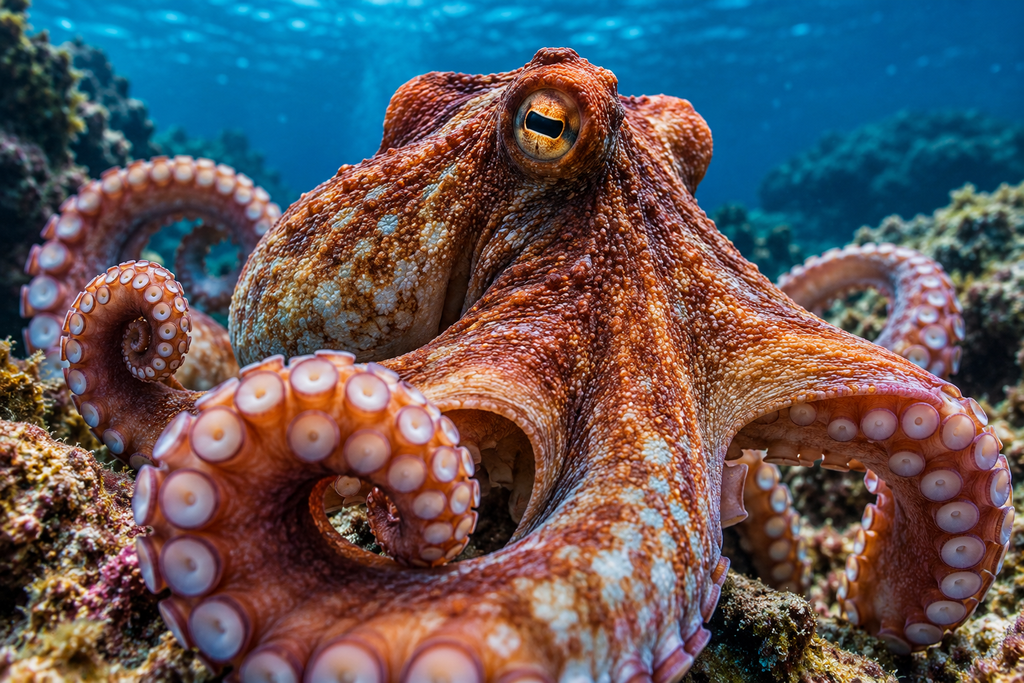
- Octopuses Have Three Hearts
Yes, three.
An octopus has two hearts that pump blood through its gills and another that circulates blood through the rest of its body.
And it gets stranger: octopus blood appears blue because its oxygen-carrying molecule, hemocyanin, contains copper rather than the iron found in human hemoglobin.
Octopuses are also remarkable problem-solvers, making them some of the most fascinating animals in the ocean.
- Some Komodo Dragons Can Reproduce Without a Male
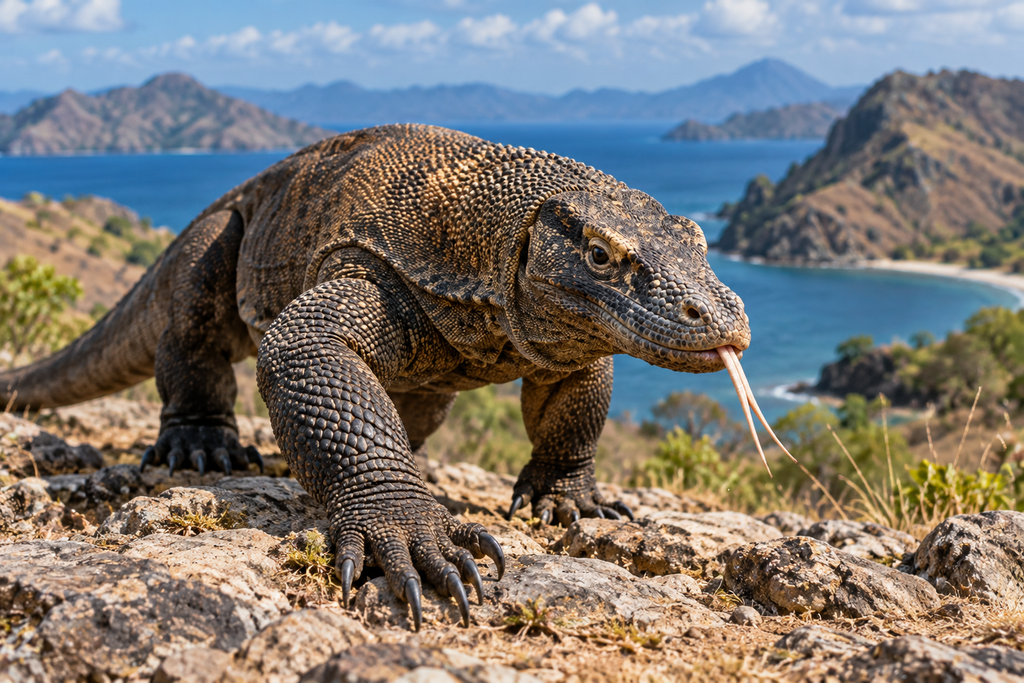
Female Komodo dragons are capable of parthenogenesis, a form of reproduction in which offspring can develop without fertilization by a male.
That means, under certain circumstances, a female Komodo dragon can produce viable eggs without mating.
It’s an extraordinary reproductive adaptation—and one of those animal facts that sounds almost impossible.
- Crows Can Use Tools
Calling someone a “birdbrain” might not be the insult we once thought it was.
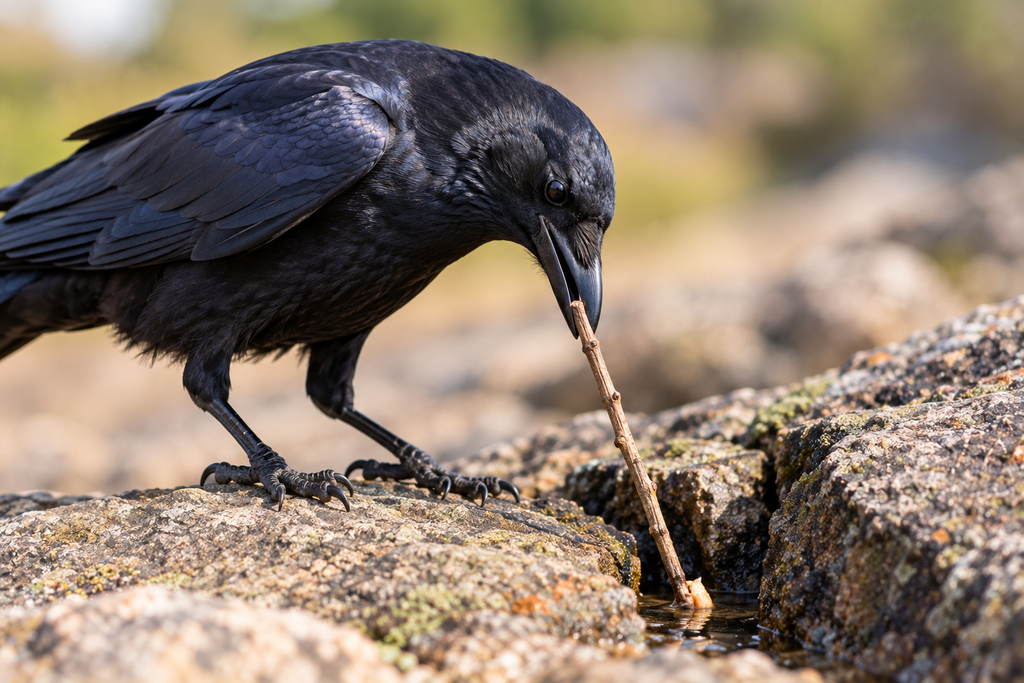
Members of the crow family are remarkably intelligent. Some crows can manipulate sticks and other objects as tools to reach food.
Their problem-solving abilities have made corvid intelligence an important area of animal cognition research.
- Dolphins Can Have Their Own Signature Whistles
Imagine shouting someone’s name across a crowded room.
Dolphins appear to have something surprisingly similar.
Research into dolphin communication has found that individuals develop distinctive signature whistles. Other dolphins can recognize and respond to these individually distinctive calls.
It’s one of the most intriguing examples of complex communication in the animal kingdom.
IMAGE SUGGESTION:
Two bottlenose dolphins swimming together underwater.
IMAGE ALT TEXT:
Dolphins communicating underwater using signature whistles
- Goats Have Rectangular Pupils
Look closely at a goat’s eyes and you’ll notice something unusual: its pupils aren’t round like ours.
They’re horizontal and rectangular.
This eye structure gives grazing animals a broad view of their surroundings, helping them watch for predators while keeping their heads close to the ground.
IMAGE SUGGESTION:
Extreme close-up of a goat’s eye clearly showing its rectangular pupil.
IMAGE ALT TEXT:
Close-up of a goat’s unusual rectangular pupil
- Some Frogs Can Survive Being Frozen
For humans, freezing can be deadly. Certain frogs have a much more impressive survival strategy.
Wood frogs can tolerate substantial freezing during winter. Their bodies produce high concentrations of substances such as glucose that help protect cells while they remain frozen.
When temperatures rise, the frogs thaw and become active again.
It’s almost like nature created its own version of suspended animation.
IMAGE SUGGESTION:
Wood frog sitting on snow, ice, or frozen leaves.
IMAGE ALT TEXT:
Wood frog that can survive freezing winter temperatures
- Elephants Have Remarkably Complex Social Lives
Elephants aren’t simply large—they’re highly social.
Young elephants learn important survival behaviors from older members of their herd, and physical contact such as touching and intertwining trunks plays an important role in their social interactions.
These close relationships can help younger elephants learn how to navigate their environment and respond to danger.
IMAGE SUGGESTION:
Adult elephant touching trunks with a younger elephant.
IMAGE ALT TEXT:
African elephants using their trunks during social interaction
- Flamingos Aren’t Born Pink
A baby flamingo doesn’t start life with the famous bright-pink feathers we associate with the species.
Their coloration develops largely because of carotenoid pigments in their diet.
In other words, a flamingo’s famous appearance is partly determined by what it eats.
IMAGE SUGGESTION:
Group of bright pink flamingos standing in shallow water.
IMAGE ALT TEXT:
Pink flamingos whose feather color is influenced by their diet
- Sloths Can Grow Algae on Their Fur
Sloths spend so much time moving slowly through humid forests that their fur can support an entire miniature ecosystem.
Algae can grow within a sloth’s coat, sometimes giving the animal a greenish tint that may help it blend into the surrounding vegetation.
It’s essentially a living camouflage system.
IMAGE SUGGESTION:
Close-up photograph of a sloth showing greenish algae-covered fur.
IMAGE ALT TEXT:
Sloth with algae growing in its fur for natural camouflage
- Some Fish Can Climb Waterfalls
Fish swimming upstream is one thing. Fish climbing a waterfall sounds ridiculous.
Yet researchers have documented small fish climbing waterfalls and other steep, fast-flowing surfaces as part of their movement through river systems.
These extraordinary adaptations highlight how much scientists still have to discover about animal behavior.
IMAGE SUGGESTION:
Small fish moving upward through fast-flowing rocky water.
IMAGE ALT TEXT:
Fish climbing through fast-flowing water during migration
- Wolves Are Remarkably Intelligent Problem-Solvers
Wolves are famous for hunting in packs, but their intelligence extends far beyond coordinated hunting.
They can learn from experience, adapt their behavior to changing environments, and solve problems when searching for food.
Their combination of intelligence, communication, and cooperation makes wolves some of the most fascinating predators in the animal kingdom.
IMAGE SUGGESTION:
Gray wolf exploring a forest or coastal environment.
IMAGE ALT TEXT:
Wild gray wolf displaying intelligent problem-solving behavior
- The Animal Kingdom Is Still Full of Mysteries
Perhaps the most incredible animal fact is that we still don’t understand everything animals do.
Scientists continue to document previously unknown behaviors, from unexpected cooperation between species to sophisticated problem-solving and unusual reproductive strategies.
Every new discovery is a reminder that nature can be stranger than fiction.
Which Animal Fact Surprised You the Most?
From an octopus with three hearts to frogs that survive freezing and birds capable of using tools, animals have evolved extraordinary ways to survive.
And scientists are still discovering new ones.
Which fact surprised you most? Share this article with someone who loves animals and see if they already knew these incredible facts.
FEATURED IMAGE RECOMMENDATION:
Create a 1200 x 630 px collage featuring an octopus, Komodo dragon, elephant, crow, and frog.
Keep the animals large and expressive with a dramatic wildlife-documentary appearance.
Suggested image headline:
12 ANIMAL FACTS
THAT SOUND FAKE
FEATURED IMAGE ALT TEXT:
12 amazing animal facts that sound fake but are actually true
SUGGESTED FAQ SECTION:
Q: What is one of the weirdest animal facts?
A: One of the strangest animal facts is that octopuses have three hearts and blue blood.
Q: Which animal has three hearts?
A: Octopuses have three hearts. Two are associated with pumping blood through the gills, while another circulates blood through the rest of the body.
Q: Can Komodo dragons reproduce without males?
A: Yes. Female Komodo dragons can reproduce through a process called parthenogenesis under certain circumstances.
Q: Why are flamingos pink?
A: Flamingos develop their pink coloration largely from carotenoid pigments found in their diet.
Q: Can frogs survive being frozen?
A: Some species, including wood frogs, can survive substantial freezing during winter and become active again after thawing.