A music catalog sale transfers specified rights in songs, recordings or both. It does not reveal an artist’s total net worth. Taylor Swift’s purchase of her early masters and Sting’s songwriting-catalog sale show why the rights in a deal matter more than a headline price.
One artist may buy recordings back; another may sell publishing rights. Those are different transactions, even when the same songs are involved. Here is how to tell them apart and read the wealth claims that follow.

Masters vs publishing: two rights behind one song
The U.S. Copyright Office distinguishes a musical composition from a sound recording. The composition is the music and any accompanying lyrics. The recording is a particular recorded performance of that work. Copyright in one is not a substitute for copyright in the other.
In music-business reporting, publishing concerns the songwriting side. Masters concerns the recordings. A deal involving one does not, by itself, establish ownership of the other. Contracts can also specify which works and rights are covered, so “sold the catalog” is only the beginning of the explanation.
| Term | What to look for |
|---|---|
| Publishing catalog | Rights in the songs as compositions, including lyrics |
| Recorded-music catalog | Rights in particular recordings, often described as masters |
| Catalog sale price | The amount paid for the specific rights in that transaction |
| Personal net worth | The estimated value of a person’s assets minus liabilities, not the price of a single deal |
Taylor Swift: buying recordings back
On May 30, 2025, Swift announced that she had bought the masters of her first six albums from Shamrock Capital. Reuters reported the purchase and said financial terms were not disclosed.
In her own letter, Swift described purchasing her music outright, without a partnership. She also named music videos, concert films, album art, photography and unreleased songs among the work she now owned. Her account makes the point personal: ownership was a goal in its own right, rather than merely a number attached to an asset.
The letter also connected the purchase to the support for her re-recorded albums and the Eras Tour. That does not supply a purchase price, a financing breakdown or an audited balance sheet. Any precise claim about what she paid needs evidence beyond that announcement.
For the wider career and the separate, attributed wealth estimates, read our Taylor Swift profile. A catalog acquisition and a publisher’s net-worth estimate answer different questions.
Sting: selling a songwriting catalog
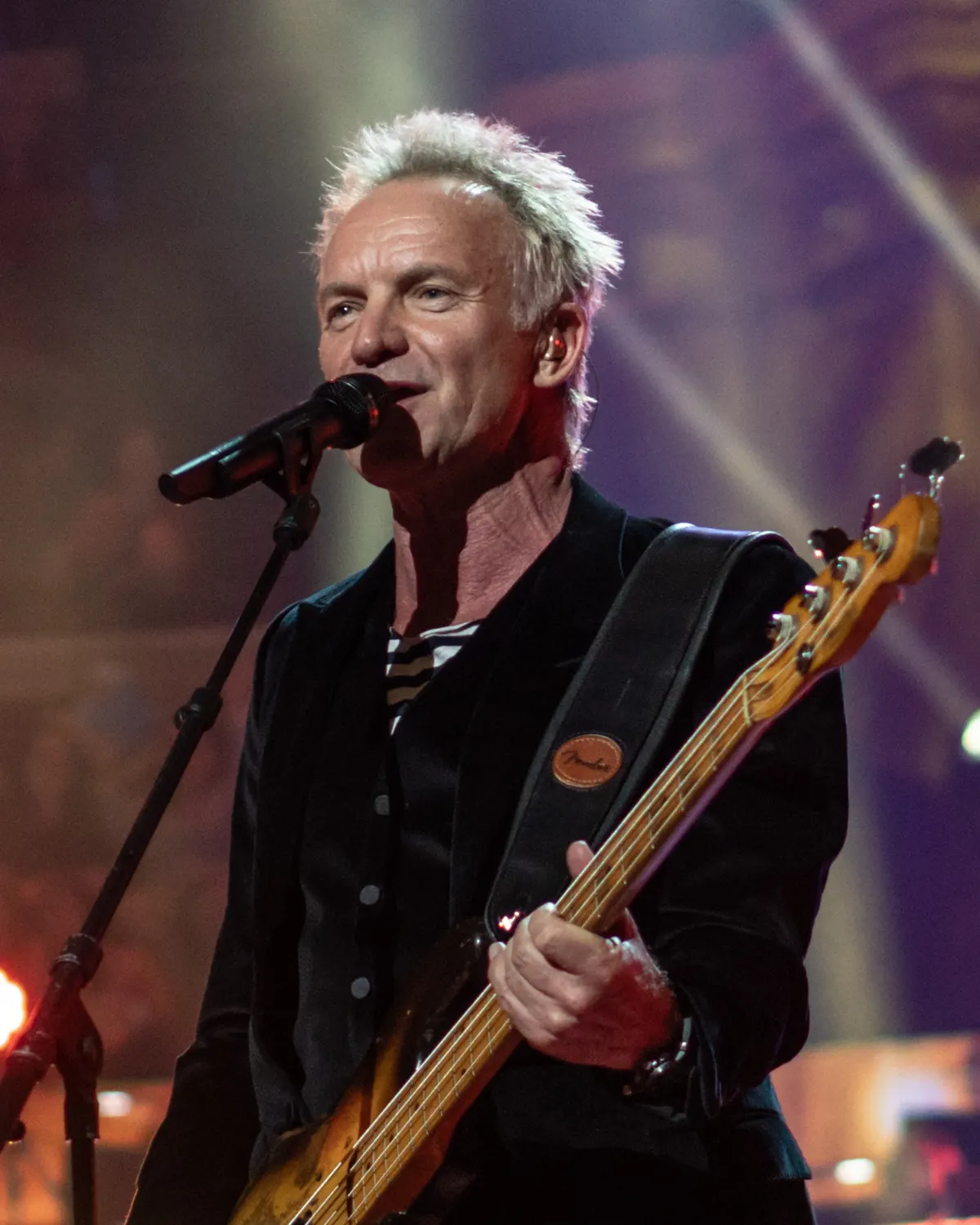
Universal Music Publishing Group announced its acquisition of Sting’s song catalog on February 10, 2022. The agreement covered his solo songwriting and his work with the Police, including songs such as “Roxanne,” “Every Breath You Take” and “Fields of Gold.”
The announcement said the deal brought his publishing catalog together with his recorded-music catalog under the wider Universal Music Group. That wording matters: the newly announced transaction was a songwriting-catalog acquisition. It should not be casually rewritten as a sale of every part of his career or all future earnings.
Universal’s announcement did not disclose a purchase price. Our Sting profile separates the confirmed transaction from attributed reporting about its value and from estimates of his personal wealth.
Bob Dylan and Bruce Springsteen: why the deal’s scope matters
Dylan’s transactions make the separation especially clear. Universal announced the acquisition of his songwriting catalog on December 7, 2020, describing more than 600 copyrights. Sony announced a separate recorded-music agreement on January 24, 2022, saying it had concluded in July 2021 and covered his recorded body of work through Rough and Rowdy Ways, as well as rights to multiple future releases.
Springsteen provides a different example. Sony’s December 16, 2021 announcement described separate agreements for his recorded-music and songwriting catalogs. Sony Music Publishing partnered with Eldridge on the songwriting purchase.
These are dated deal announcements, not claims that every later release is covered. They demonstrate why comparing headline prices without checking the rights, works and agreement dates can be misleading.
Why a catalog sale is not the same as net worth
Owning a valuable catalog and selling it for cash are two different forms of holding value. A wealth estimate may already include the catalog as an asset. Adding the entire sale price to that estimate can therefore count the same value twice.
Consider a simplified example, not an estimate of any artist’s finances: a person has $100 million in assets, including a catalog valued at $40 million. Selling that catalog for $40 million changes the mix from rights to cash. It does not automatically turn $100 million into $140 million. Taxes, costs, debt, payment timing and any difference between the estimated value and actual price would need separate treatment.
The same caution applies in reverse when an artist buys rights. A purchase changes what they own and how they hold their wealth; the announcement alone does not tell us their remaining cash or personal liabilities. Nor is a tour’s ticket revenue the artist’s take-home pay.
How to read the next catalog-sale headline
- Identify the rights. Does the announcement name songwriting, recordings or both?
- Check the covered work. Does it describe a back catalog, selected songs or future releases too?
- Separate disclosed terms from reports. An unnamed-source valuation is not a publicly disclosed contract price.
- Keep the date attached. The announcement date and the date a deal closed can differ, as Dylan’s Sony agreement shows.
- Do not turn deal value into personal wealth. A transaction does not disclose all assets, debts or after-tax proceeds.
Frequently asked questions
Does selling publishing mean selling the master recordings?
No. They are separate rights. A deal can cover both, but the announcement or agreement needs to say so. Dylan’s separate Universal and Sony transactions illustrate the distinction.
Does Taylor Swift own her early master recordings?
Swift announced their purchase from Shamrock Capital in May 2025. Her letter and Reuters’ reporting document that purchase; neither disclosed the price.
Does a large catalog sale prove an artist is a billionaire?
No. The sale concerns particular assets. A personal net-worth estimate requires a view of the person’s broader assets and liabilities and should not count sold rights and their proceeds as separate wealth.
For a different view of musician wealth, see our richest-singers guide, which labels its third-party estimates and check date. Catalog ownership explains part of a career’s economics; it is not a shortcut to a verified fortune.
Sources and check date
Sources checked November 11, 2026. The deal dates above are historical announcement or closing dates, not claims that the transactions happened on this check date.
- U.S. Copyright Office: musical compositions and sound recordings
- Taylor Swift: ownership letter
- Reuters: Swift’s catalog purchase, May 2025
- Universal: Sting’s songwriting catalog, February 10, 2022
- Universal: Dylan’s songwriting catalog, December 7, 2020
- Sony: Dylan’s recorded-music catalog, January 24, 2022
- Sony: Springsteen’s catalogs, December 16, 2021
Latest profiles